Pharma Forum 2026: What’s Changing in Healthcare Events, and What It Means Going Forward
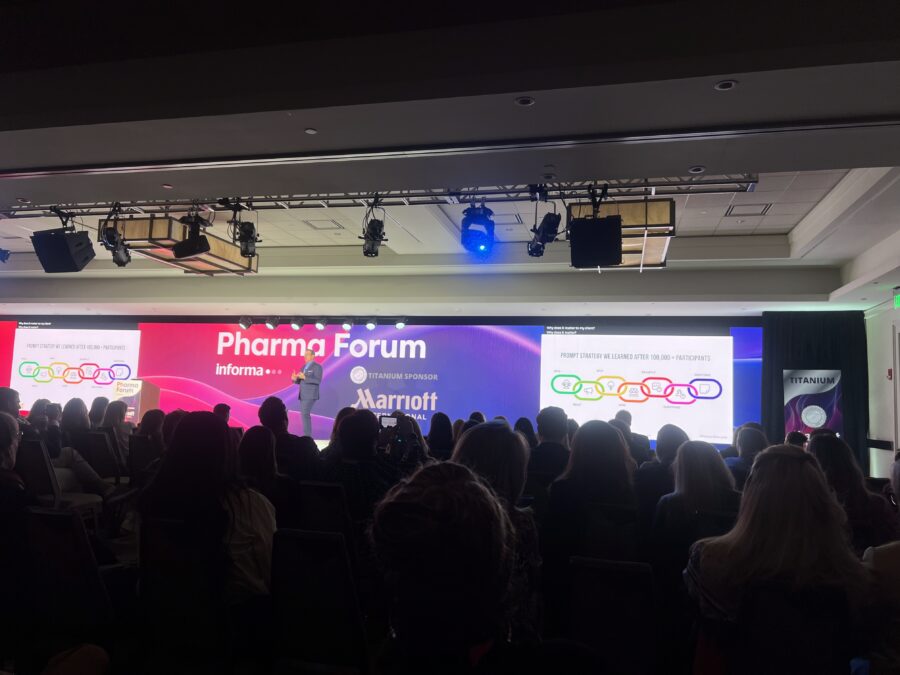
Pharma Forum 2026 made one thing clear: the role of events in life sciences is evolving fast.
As a team focused on helping organizations better manage meetings, events, and engagement across the lifecycle, Event Cadence attended this year’s forum to connect with planners, understand how priorities are shifting, and see firsthand how the industry is responding to increasing complexity.
Between tighter budgets, rising expectations for personalization, and the growing influence of AI, event teams are being asked to operate more strategically than ever before. Across keynotes, panels, and conversations, a few themes consistently rose to the top.
1. AI Isn’t Replacing Event Teams, It’s Raising the Bar
AI was everywhere this year, but not in the way many expected.
The conversation has shifted from “Will AI replace us?” to “How do we work better with it?”
Sessions like “Humans + AI = An Impeccable Collaboration for Creating Meeting Magic” emphasized that the real opportunity is in augmentation, not automation.
Key takeaways:
AI works best as a strategic partner, not a replacement
The human element, context, relationships, decision-making, is still the differentiator
Voice, real-time interaction, and AI-assisted workflows are becoming more practical and accessible
What stood out most was the interactive nature of these discussions, showing how AI can support real-time problem solving, not just post-event analysis.
The takeaway: teams that learn how to integrate AI into their workflows will move faster and operate more efficiently, but the ones who combine it with strong human strategy will stand out.
2. Budget Pressure Is Forcing Smarter, More Intentional Planning
If there was one underlying theme across sessions, it was this: budgets are tighter, and scrutiny is higher.
Sessions focused on ancillary meetings and ROI made it clear that:
Every dollar spent needs to be justified
Early planning is becoming critical to securing the right space and pricing
Internal alignment is essential to avoid duplication and wasted spend
In “Strategic Ancillary Meeting Management: Maximizing ROI at Medical Conferences,” speakers highlighted the importance of:
Locking in space early to avoid premium costs
Being more targeted in how meetings are prioritized
Treating meeting space as a strategic investment, not just a logistics exercise
The takeaway: efficiency is no longer a nice-to-have, it’s a requirement.
3. The Industry Is Getting More Complex, Not Less
The “State of the Industry” session reinforced something many teams are already feeling: complexity is increasing across the board.
From global policy shifts to evolving safety protocols and international travel dynamics, event planning is no longer just about execution, it’s about navigating change.
Some of the biggest drivers:
Regulatory and compliance considerations
Economic pressures impacting planning decisions
Shifts in workforce structure and global coordination
The result is a more dynamic environment where teams need to be:
More adaptable
More informed
More connected across functions
This growing complexity is also why many teams are rethinking how they manage events and engagements internally, moving away from fragmented tools toward more centralized approaches that can support cross-functional coordination.
The takeaway: event strategy is becoming deeply tied to broader business strategy.
4. Data Is Becoming the Foundation for Better Event Strategy
Another major theme was the growing role of data in shaping how events are planned and measured.
In “Rewriting the Rules of Medical Meetings: A Data-Driven Look at 2026 Trends,” the focus was on:
Understanding where events fit within the broader engagement mix
Aligning experiences with attendee expectations
Cutting through the noise at increasingly crowded congresses
A few key questions stood out:
How do events compare to other engagement channels?
What do attendees actually value, and how do we deliver it?
How do we design experiences that drive meaningful engagement, not just attendance?
As expectations around measurement increase, having visibility into engagement across teams and event types is becoming critical, not just for reporting, but for making smarter, faster decisions.
The takeaway: data is no longer just for reporting, it’s for decision-making.
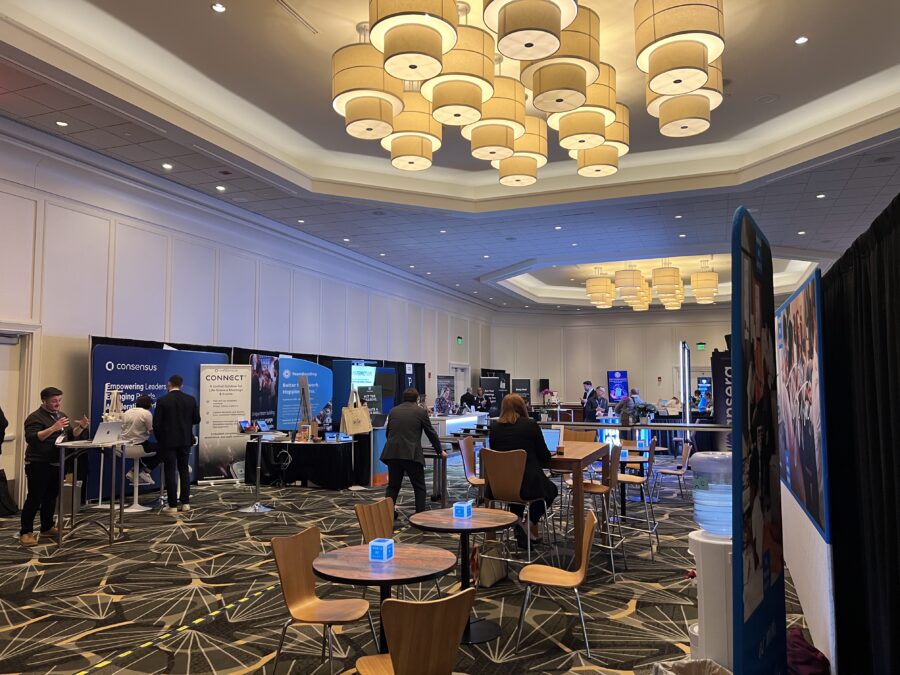
5. Cutting Through the Noise Requires More Than Bigger Booths
With more brands competing for attention, standing out at congresses is getting harder.
But the answer isn’t bigger or flashier, it’s more relevant.
Across sessions, there was a clear shift toward:
Value-driven engagement (education, insights, meaningful conversations)
Personalized experiences over one-size-fits-all approaches
Extending engagement beyond the event through digital and follow-up strategies
This aligns with a broader shift: events are no longer isolated moments, they’re part of a continuous engagement lifecycle.
The takeaway
The most effective teams are thinking beyond the event itself, and designing experiences that connect before, during, and after.
Final Thought: Events Are Becoming Strategic, Not Just Operational
If there’s one overarching takeaway from Pharma Forum 2026, it’s this: Events are no longer just about logistics, they’re about impact.
Teams are being asked to:
Prove ROI
Coordinate across functions
Deliver more personalized, high-value experiences
Integrate new technologies like AI without losing the human touch
The organizations that succeed will be the ones that treat events as a strategic driver of engagement, not just a tactical execution channel.
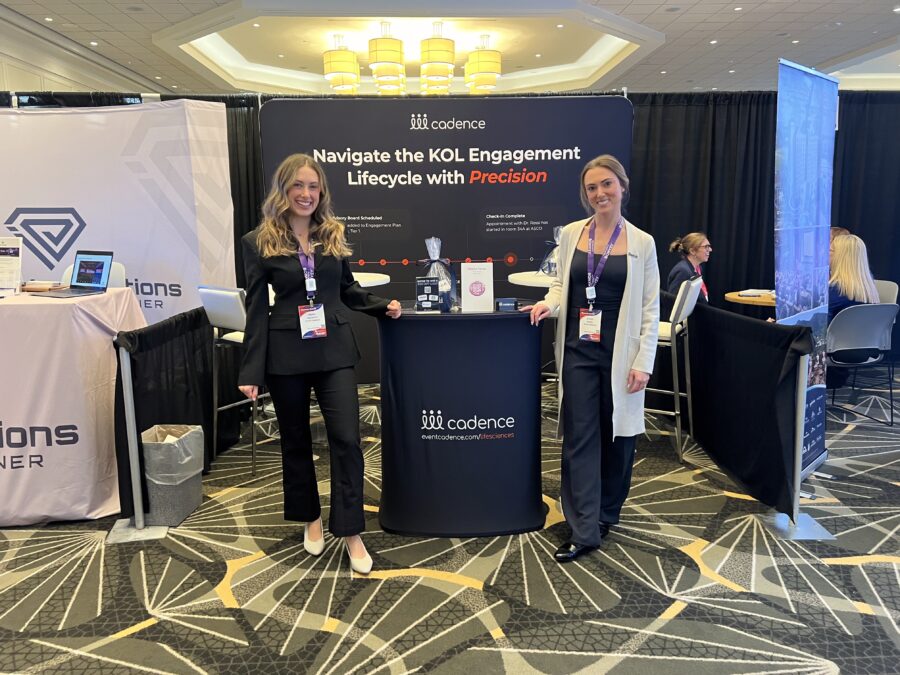
And beyond the insights, one of the most valuable parts of Pharma Forum is always the opportunity to connect in person. We had some incredibly thoughtful conversations with planners, partners, and industry peers, and it’s those real-world perspectives that continue to shape how we think about the future of events. Whether we connected onsite or not, we’re always open to continuing the conversation. Book a time to connect here.
About Event Cadence
Event Cadence is a comprehensive platform for managing meetings, events, and engagement across the life sciences industry.
From large-scale congresses to smaller, high-impact interactions like advisory boards and internal meetings, Event Cadence helps teams streamline planning, improve cross-functional coordination, and gain the visibility needed to make smarter decisions.
With solutions like Ensemble, organizations can connect engagement data across teams and event types, ensuring every interaction is captured, aligned, and actionable. Learn more today.